Showing posts with label creative writing. Show all posts

28 November 2020

What books have we been enjoying recently? (Collab post)

The first lockdown of the year was when I reconnected with my love for reading... Reading has been a great escape from all things 2020 and has been a great coping mechanism for me. I have started scrolling Goodreads more than Twitter (!!) and wanted to share some of the books I've read and loved that I think you may love, too. And I've enlisted the help of fellow grad, Ellen, who runs 'graduatereads' over on Instagram where she posts some beautifully written reviews of so many genres of books! Ellen is an English Language and Literature graduate who graduated from Liverpool Hope University back in 2019! It was great to collaborate with Ellen on this post and I hope you enjoy x 


Ellen’s recommendation: Out Of Love by Hazel Hayes


This is a story about heartbreak, but not in the way you would think. You start with a breakup and you expect to watch a young woman put herself back together again, to watch her discover her worth outside of that relationship (think Elle Woods in Legally Blonde). However, in this story we start with heartbreak and move backwards, reading about how the protagonist existed purely as a part of that relationship, how she and her partner functioned as a pair. It’s devastating in itself learning to learn to love this relationship knowing it’s doomed to fail, yet despite that, this is one of the most inspiring and, surprisingly, reassuring books I have ever read. It made me believe that I could survive anything that life might throw at me. We don’t see the protagonist survive her break up, but by reading into her past, we know that she will, because she has struggled and suffered before and made it to the other side. We don’t see her survive, just as we don’t get to peer into our own future and see ourselves survive, we can only look back and rely on our past experiences to know that we have the strength to get through it. I honestly can’t recommend this book enough!  Whether you’ve been through a breakup or not, this book will find some way to resonate with you. It’s so beautifully written and manages to weave its way into your life - I haven’t stopped thinking about since I finished reading! 


Rebecca’s recommendation: Ghosts by Dolly Alderton 


I haven’t read a book so quickly! It was so easy to get into and so difficult to put down. At the start of the first lockdown, I read Dolly’s ‘Everything I know about love’ and I fell in love with her style of writing and couldn’t wait to read her latest and debut novel, Ghosts. As is the unfortunate norm with online dating, ‘ghosting’ can be a regular occurrence, and definitely something I’ve experienced and been crushed by. Ghosts is a truthful look at the impact ‘ghosting’ can have on your confidence and self-esteem, it can drive you nuts, and Alderton beautifully portrayed this as we were introduced to Nina George Dean, a 30-something food writer who falls head over heels for her online dating match, Max. All going well, Nina and Max are inseparable, he even drops the L bomb… and then, as you can guess by the title, the inevitable happens. What comes next is a beautiful account of what is a messy experience… Alderton approaches ghosting from a ‘what is wrong with the ghoster’ point of view, which is something we can often forget to think about when we internalise such an experience and see it as something wrong with us. We see Nina post-ghosting reevaluating her life, what's important, and who's important. I loved it, it was relatable, funny, easy reading and an all round great book!  


Ellen’s recommendation: My Name Is Why by Lemn Sissay


My Name Is Why is Lemn Sissay’s account of his first eighteen years, spent bouncing between various institutions and care homes. He describes it as the story of how a government, which he calls “The Institution,” stole him as a baby and essentially imprisoned him for his entire childhood. This is not a fun book to read, but my goodness is it a brilliant one. Lemn interspersed his own personal accounts with scanned documents from social workers and council officials, which offer an insight into ‘the bigger picture’ that a child is not privy to at the time. You would hope that the bigger picture would show a network of adults and professionals all trying to do what’s best for that child, unfortunately, it doesn’t and more often than not it shows a system of lies and deliberate mistreatment. It is highly emotional and harrowing to read through his trauma, but also enlightening and inspiring. I was already aware of Lemn’s poetry before reading this book and whilst he is at times incredibly blunt, you can definitely feel his poetic voice creeping through. I would definitely recommend this book to everyone even though I finished it feeling angry. Thankfully, there are plenty of resources included at the end, so you can direct your anger into something productive and helpful.


Rebecca’s recommendation: The Insecure Girls Handbook by Liv Purvis
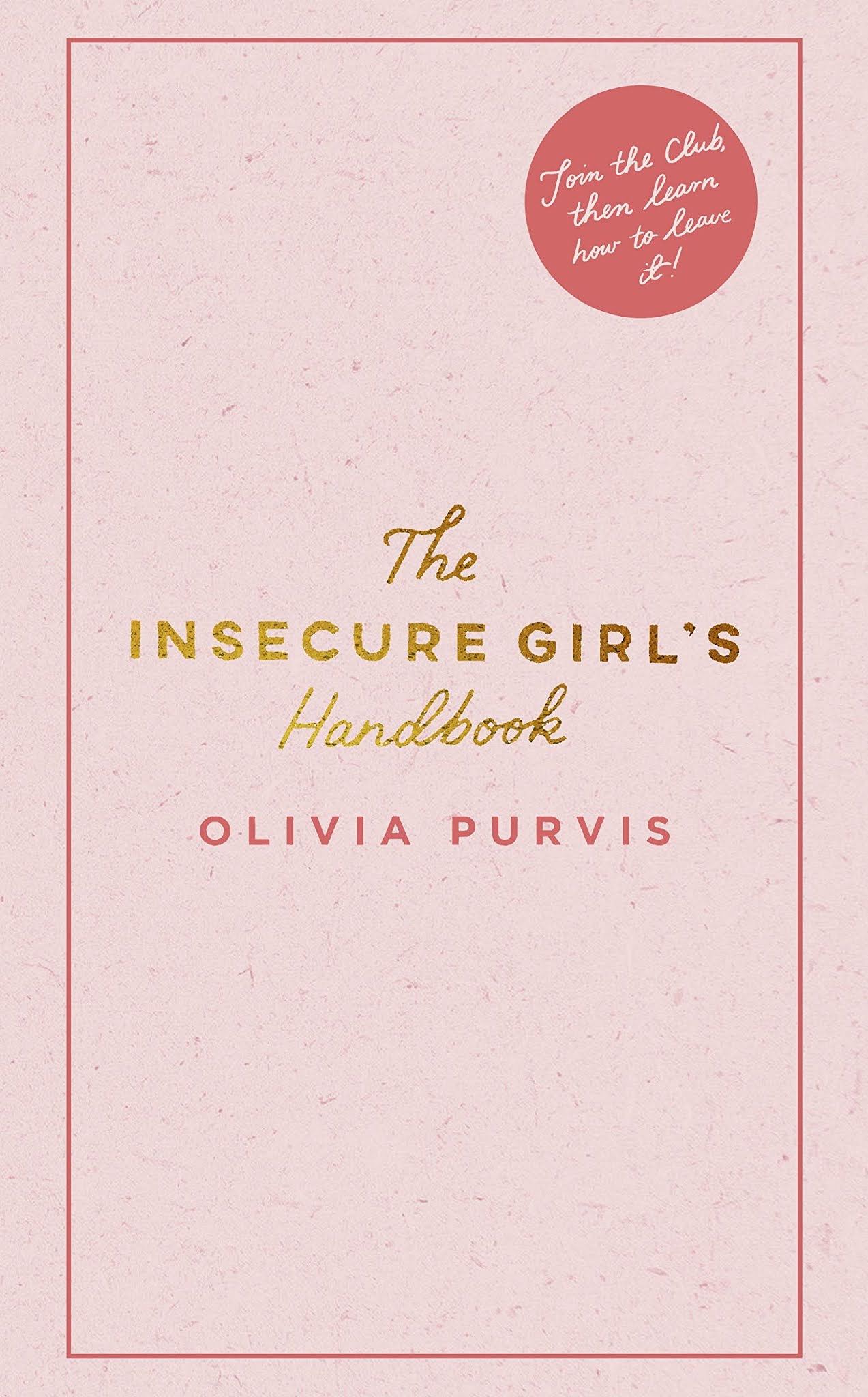


I have followed the Insecure Girls Club on Instagram for a while, and I decided to download the audiobook version of the Insecure Girls Handbook recently and loved it so much. Purvis covers everything from body image, our inner critic, comparison and friendships and shares some great hints and tips for facing some of the issues us insecure gals can often face. What I loved about the Insecure Girls Handbook was the fact not only does Purvis account her own experiences of dealing with insecurities, but she brings in other members of this ‘club’ to do the same… It doesn’t matter who you are, where in your life you are, or what you’ve achieved, we are all going to face these issues at some point in our lives, because we’re all human. I always enjoy books like this because there’s always one piece of advice that resonates and that you can take away and use in your own life… And I took plenty from this book!


Ellen’s recommendation: Hamnet by Maggie O’Farrell


This is the very deserving winner of the Women’s Prize for Fiction 2020! It tells the story of Shakespeare’s son who tragically passed away at a very young age, and who likely inspired the play ‘Hamlet’. I listened to this novel as an audiobook and absolutely adored it; it’s full of so much care and love. The story is split into a before and after. Maggie O’Farrell beautifully builds up the family relationships and the setting in the first half, I particularly enjoyed getting to know Agnes, Hamnet’s mother, and found her to be such a unique and magical character. In the second half we watch the family grieve and come to terms with the death of a young boy, and the impact this has on their relationships and daily lives. I really liked how Shakespeare is never mentioned by name - quite frankly he has had his time to shine and this story isn’t about him, it’s about the family as a whole. I also really enjoyed the focus on the twin relationship and what happens when one of a set of twins passes away. Not a single word in this novel has been wasted, every second felt important and wonderful and I can absolutely understand why it has received such high acclaim in the literary world.


Rebecca’s recommendation: City of Girls by Elizabeth Gilbert 


Before reading City of Girls, I hadn’t been familiar with Elizabeth Gilbert’s work (I am still yet to read/watch Eat Pray Love!). I picked up City of Girls during a lockdown trip to Sainsbury’s, not sure what to expect… I didn’t even read the blurb (I definitely judged the book by it’s cover in this case) but was so pleasantly surprised. City of Girls is written from Vivian Morris’ perspective as an older woman looking back on her time in New York during the 40s, writing to someone whose identity isn’t revealed until the end (it's a bit of a plot twist). It’s a really exciting read and takes place in the ‘Lily Playhouse’, a theatre that's struggling to stay alive owned by Vivian’s aunt. We hear all about Vivian’s experience of living her late teens/early twenties in the city, experiencing freedom, exploring her passion for costume design, falling in love, and making big mistakes. You’re taken on a journey with Vivian, and you come to fall in love (and out of love) with the characters who follow along. Following the twists and turns of Vivian’s life, you feel like you’re living vicariously through her in 1940s NYC. I loved it and I would definitely recommend it! 


23 June 2019

Help! Not ready to say goodbye to education yet - Is a PhD/Masters for me?


If you're currently finding yourself wondering whether to take on a postgraduate degree or not, you may have some questions similar to these below that PhD English Language student, Faye Chambers, can answer:

  1. When is the deadline to decide you want to do a postgraduate degree?
I’m not sure there is any deadline really – different schemes may have restrictions but as long as you have a 2.1 or 1st at undergraduate I think you can start an MA course any time in the future, there is no need to rush into anything. I feel like I rushed into postgraduate studies and that might have been a mistake. To get the free MA by research the deadline was having a start date within 12 months of graduating for undergraduate research, so I deferred for three months and started in the January after I graduated. Because I ended up being rolled onto a PhD scheme the deadline for that was very sudden – I had about a week to turn around a funding application and get onto the course so had no time to really consider the decision.

  1. What kind of funding is available?
The standard government student loans are available for course fees and living expenses, up to 10,000 a year, but you can borrow less if you don’t need it all. The thing to consider with these loans is that you will pay them back alongside your undergraduate loan so may end up with larger payments each month, but that’s only once you are earning above the graduate wage threshold (currently 25000 a year).

  1. Why did you decide to do a postgraduate degree?
Probably for all the wrong reasons! I’m really interested in my subject area [English language] so I think I would have done some postgraduate study eventually, but I don’t think I would have gone straight into it from graduating without the pressure from funding or from lecturers. Our university offered a free masters to students who got a first, but on the condition that you had to start within 1 year of graduating. My grades were really good so I felt I would be wasting an opportunity if I didn’t take the scholarship. The same thing happened with my PhD – I was partway through my masters and PhD funding was offered to me, and my supervisor said she thought I was capable and that it was normally really hard to get funding, so I threw myself into it without really considering why. I am very lucky to have these opportunities but at the same time feel I’ve ended up on a path I wouldn’t necessarily have chosen for myself.

  1. I don’t feel ready to leave uni yet… do you think it would be a good idea to stay in education until I decide on what I want to do?
I think if you enjoy studying and have an idea that interests you for a research project then absolutely. There shouldn’t be so much pressure to have a career goal at the end of what you are doing – learning for your own enjoyment is a great thing to do. But if the only motivation behind staying on at uni is that you don’t know what else you want to do I think it would be really hard to manage, both in terms of passing the course and on your own mental health. There are plenty of ways to spend your twenties if you don’t know what you want to do. Try loads of different jobs out with no pressure and see if you like them. Or do any job at all just to get a bit of money together and use the funds to enrich your life outside of work. Do a bit of travelling. Pick up a new skill you have always wanted to try. I don’t think anybody really knows what they want to do for a career so just do what makes you happiest.

  1. How much academic support do you receive from your university during a postgraduate degree?
There are taught masters with set lessons more like an undergraduate degree, but with research degrees, most of the planning and work is done by yourself. Usually, universities recommend one meeting a month with your supervisor, and then you can email them questions. There are also courses run by the library and postgraduate team each week if you choose to attend, but these are optional and quite general study skills sessions. There isn’t a lot of contact time at all.

  1. Are there many opportunities to get your work published?
Yes, but you don’t need to be a postgraduate to have work published! You will need to turn your research into an article and submit this to a journal in your field. Most journals have online submission guides so you can format your work to match what they are looking for, and they will review it, then come back to you with a decision. I suppose being a postgraduate will help because you will have more practise at academic writing and see work from fellow researchers, but you still have to put the work into your paper separately from your uni work. Also, submissions are judged blind so what matters is the quality of the paper, and not whether you’re an undergrad or a professor. I would say the more common way to showcase your work as a postgrad is conferences. Our department has an annual conference, and the university-wide one is also once a year, plus there will be opportunities for visiting conferences from outside organisations and other unis.

  1. What was it like going from an undergraduate degree to a postgraduate?
The most difficult part is not having strict timetables and deadlines to work towards, whereas undergraduate courses have several modules and you might have work to hand in two or three times a year, postgraduate research is all reliant on one thesis. There are no lecturers asking to see work from you every few weeks so it’s very easy to put off work by going ‘oh I’ll do it next week’, especially when your deadline is three years in the future. Then what happens is before you know it half the time has gone, you’ve wasted it sitting in your pyjamas, and you have 80,000 words to write!

  1. Would I be able to work alongside doing a postgraduate degree?
Universities advise against it but I think you have to, in order to live. Unless you are fortunate enough to get a huge scholarship or have some money to one side, it would be impossible to live independently without working. I think it’s very important to get the balance right – I work 4 days a week which is probably why I’m falling behind on my PhD because I’m so mentally exhausted from working that I have no brainpower left on my days off! If you plan and manage your time well I think it’s possible to do both well though. Also, lots of universities offer teaching work which they will pay postgraduates for, and this is probably a good option for anyone thinking of pursuing an academic career, giving you experience as well as some cash.

  1. What piece of advice would you give to someone who has decided to take on postgraduate study?
I’d say if you have decided on studying at postgraduate level, organise yourself and manage your time well. Set mini-goals or deadlines which are achievable so you don’t feel like you’re struggling in a huge void. But I think you need to ask yourself one question before you start; if I could do absolutely anything in the world, and money and circumstances were no object, would it be this postgraduate degree? If the answer is no then you should probably weigh up why you are taking on this huge amount of stress and work for yourself!