3 November 2021

Live life like you're a Fresher: this is my quarter life crisis


My Freshers experience was far from 'typical'. Picture a typical Freshers week and then picture the opposite. Whilst most people in the Halls were heading to their fifth night out in a row, I was having cozy film nights in, enjoying a singular bottle of cider, or two if I felt daring... basically, Freshers in its typical form, wasn't for me. And also, the Huddersfield club scene is pretty poor, and I didn't fancy spending my money on Tokes/Camel (if you know, you know). But Freshers also wasn't for me because, at that time, I had nowhere near the amount of confidence I have now - both in general and in myself. 

Anywaaay, my final year of university, at the ripe old age of 20/21, I felt ready to be a Fresher. Armed with confidence, and anxiety that I would be missing out on things and leaving with regrets, I threw myself into Fresher life. I joined the magazine society as a contributor, and then later a sub-editor (which meant guestlist for gigs which was AMAZE) I took part in taster sessions with the rock climbing society (genuinely one of the best and most terrifying days of my life in the Peak District), and the trampolining society. I went out to the pubs with my friends, joined the local park runs, went to self-defense classes, joined quiz nights, even went to Camel for a night!! Got home at 3am, woke up at 7am for a 9am lecture (that screaaams Fresher doesn't it?). Essentially, I let myself enjoy my life and I tried different things and met new people, made new friends, and had the absolute best (and worst cos dissertation) year of my life. 

This year, post-lockdown and easing of restrictions, I decided to have a Freshers 2.0. I realised I had lost touch with myself and no longer felt like I was really living (of course, the pandemic and multiple lockdowns has very much had an influence on that)... I felt life becoming a bit too predictable and routine-y for my liking and realised it had been a while since I had jumped out of my comfort zone to try something new. And I was at risk of 'living to work' and not 'working to live'. I'm 25 almost 26 so maybe this is actually what they call a 'quarter life crisis'. In fact, thinking about it, it definitely is a quarter life crisis isn't it. But what that means for me is grabbing every opportunity I am presented with that will either allow me to a) meet someone new, b) try something new, c) learn something new (about life and myself). I am channeling those Fresher vibes - when everything is so exciting and new and shiny and you're ready to make the next three years the best three years. So in recent times, I've been to a Krav Maga class (with actual scars to show for it), going to gigs, meeting up with friends during the week (what a concept), actually going on dates again, getting back into a fitness routine, going for spontaneous massages (wouldn't have had the £ for that in uni tho), saying yes to plans, finding new things to try (next on the list: pottery classes and some kind of music lesson), trying and failing to learn a language, trying to boost my skills (and not just ones that will look good on my CV), and just using the time to get to know myself a little more.  

Who is to say that we can't be Fresher's every year of our lives? 


18 October 2021

Your 20's don't have to be your "20's"


The other day, I watched Connor Franta's (quite possibly my favourite Youtuber) newest video titled, "it's not you, it's your 20's" and it got me thinking about an old blog post I wrote for my long-gone personal blog in 2018: Your 20's don't have to be your "20's". I wrote it at 22. I'm now halfway through my 20's but I still firmly stand behind my message... so I wanted to re-share here what I wrote back then (see the *'s for new additions from 25 year old me). Enjoy! 

_ _ _ _ _ 

There are so many articles out there titled things similar to:

"Don't mess your 20's up: tips to get the most out of your 20's"
"Here are 20 things to do in your 20's"
"Life lessons every twenty-something should learn"

There is so much emphasis on your 20's being the best years of your life; the years you shape yourself into who you want to be, have the best 'carefree experiences. You're pretty much sold the belief that your 20's are gonna be these exciting years of being an adult - but not really - the years where you're gonna fall in love, you're gonna find out what your passion is in life. We grow up, ultimately moulding these beliefs for our lives, taking in the things we read, the things we watch, the people we watch and the people we listen to and we cast our vision into the future with a step-by-step blueprint of what we can expect to happen next. But what if you don't want to live your 20's the way you're expected to? Or what if they were just sugar-coating all along?

I'm not saying expectations are a bad thing, so long as you don't cling to them like they're absolute truths of what's gonna happen in your life, you're fine. Coming from university, I knew what was already expected of me. Graduate, get a 'proper job', save up for a mortgage, buy a house, finally become an 'adult'. And yeah, I've only just recently graduated (but managed to hide away from the real world by doing my masters, so I have another year in the comfort of academia, phew) but I am nowhere even close to achieving any of those things, and I'm not gonna lie, I wouldn't even know where to start with getting a mortgage, I'm not even 100% sure what it is! But the thing is, we all go through life at different paces, we all have different goals in mind. What I enjoy doing as a twenty-two-year-old might be someone else's idea of hell, and that's okay, I've totally grown into the idea of me being a twenty-two-year-old Grandma. Because there's no pressure!! Those articles and what everyone else is doing shouldn't make you question the path you're on. You shouldn't ever feel disappointed with the way your life is panning out if you had your hopes set on someone else's plan for their twenties or a 30-something's hindsight view. It's so easy to get caught up on what you're 'supposed' to do, you can leave barely any time to do what you want to do, or you enjoy doing.

These are the years where you're going to find yourself, that bit is true. And these are the years where you're gonna struggle, you're gonna get setbacks and you're gonna fail and you're gonna think wow what the eff am I supposed to do next? But, you've gotta figure it all out on your own, that's the beauty of it. You will feel as though you're in competition with every other twenty-something person on the planet, because I know I definitely sometimes do. But I guess in the end, the only person we're competing against is ourselves, the 'old' us, the unmotivated us. Everything will definitely sort itself out, you won't be in this limbo forever. Enjoy your 20's because before you know it, we'll all be in our 30's and well and truly in the real world (and hopefully, by then, I've learnt what a mortgage is).


** 2021/25-year old Rebecca: so firstly, I know a littleee more about mortgages, but they still scare me and it's still very much a future thing, so I'm not spending much time thinking about it. Also, the pressures and expectations of graduating did hit me in the face... and I've often found myself drowning in thoughts of where I expected myself to be at 25 or batting away other people's expectations of me as a graduate. And I'm not going to lie, it's a struggle. And in all honestly, I have no idea what I am doing, where I am going, who I will be in a year, five years, ten years time, because who does?! But I do know that I am trying my hardest to live my life for me, to make decisions that please me, to just do me. 

12 October 2021

Surviving your first few weeks of a new job


Helloooo, after my announcement I'd be picking this up and committing to regular posts, I seemed to have fallen off the face of the earth. It's been a busy (if I could double underline that, I would) few months. It started with me leaving my job (I worked at a university) in June to return to the job I had had before I started at the university... alongside this, I picked up regular hours at a coffee shop and picked up a temp three-week contract for a summer school role. Anyway, a few weeks into my 'new/old' job, I saw a vacancy for an assistant educational psychologist (AsEP) role with a local educational psychology service. I had spent a year applying for AsEP roles and had been continually rejected, so when I decided to apply for this one, I expected no different. Long story short, I was offered an interview which then turned into an offer of employment - so after only being back into my new/old job for just over a month, I was handing my notice in. So, as you can expect, my head has been a little MUSHY. 


I am a few weeks into my new role, and naturally, the ground is still feeling unsettled beneath me. With any new job, I think you can expect to feel all in a tizz for a good few months. I'm going to get a bit psychological here now. When I researched transitions as part of my postgrad research, I delved into the work of a guy called Bridges*, who claimed that a transition is quite a slow process with multiple stages. And people can get 'stuck' in these stages, making the transition period longer. The first stage: Ending, Losing, and Letting Go. Keeping in mind a new job, that ending involves losing a familiar role, routine, and colleagues. It means letting go of a current way of doing or being. And whilst you may not have even liked the job you're leaving, there will still be this element of you losing various parts of your identity that's been shaped by the role. You might start to feel uncertain, scared, disorientated etc.,. 


In this pre-new job stage, it's natural to feel apprehensive about your move. It's in this time - where you're at your ending and about to take on this new chapter - that I look to take stock of what is going to get me through these next few weeks/months. For me, it meant taking a piece of paper and writing down everything I know works to keep me feeling happy and healthy. Transitions throw everything up in the air and everything can feel out of control. If you can identify what you can do to take back a bit of control, and promote your happiness/wellbeing, brilliant. Some examples of what's on my list: getting a substantial amount of sleep every night, having at least one nice after-work plan in my diary, eating a healthy and filling breakfast, and drinking enough water. Of course, it's not always going to go to plan, but having that list available, when you're feeling like you don't know whether you're coming or going, you can see what might help to ground you a little and give you a nice boost.


The next stage is The Neutral Zone, where I'd currently place myself. In here is a whole lot of uncertainty, confusion, and impatience. It's where you're on the bridge across the water. The side you're walking towards (the new job) is a bit foggy, making you apprehensive to cross because you're worried about what might be out there... but the side you left (old job) is blue skies, not a cloud of uncertainty/confusion in the sky. Most of us leave jobs for a reason, but in my experience, that doesn't stop the briefest of 'what have I done?' thoughts, when you're walking into this foggy uncertainty before you. But what's good to remember is, yes, it might be foggy and uncertain (stick with the metaphor for just a littleeee longer) but as you get in there, you realise you have the torch (skills, knowledge, and experience) to see what you're doing and where you're going. And the longer you walk through, the easier the fog clears. You wouldn't have been offered the position if you weren't thought of as capable! And I know imposter syndrome is very real, believe me, but this is such an exciting time to learn new things and to challenge yourself. You might feel in a rush to get out of this stage, and you will want to rush to 6 months' time when you know everything like the back of your hand. But sit with it. Work through it, don't rush yourself. 


The final stage: The New Beginning. I mean, it does what it says on the tin, really. This is when you're waking up, months into the role, and you realise you've bloody done it! You're feeling settled, you've got your new routine... You're not having to ask a hundred questions a day (you now ask 99), you know how to mute/unmute and share your screen, you know which cup to avoid in the kitchen... and you're owning it! 


A new job, no matter how excited you are will bring with it some scaries and some anxieties. And that is perfectly natural. It doesn't matter whether you feel settled in a week, month, year. Just take your time. No question is stupid, no one is any better than you (despite what your brain might tell you), and you're more than capable/qualified (or they wouldn't have hired you!) even on the days you feel you're not. And hey, if there are areas you're not feeling skilled in or certain of, ask for some training! 


Each transition, be it from university to the 'real world' or from one job to another, is best managed with: lots of patience for yourself, lots of caffeine, your best coping strategies, lots of kindness for yourself, someone to talk to, a healthy amount of (healthy) distractions, I'm talking Netflix binges, plans with friends, walks etc.,. And lots of trust in yourself! 


*More on Bridges: http://changemanagementinsight.com/bridges-transition-model/

25 June 2021

Readjusting to life in the office


I started a new role in February of 2020, completely oblivious as to what was about to come… I got busy setting up my desk - succulents and all - met my new colleagues, started familiarising myself with the role, and four weeks later, I’m unfolding my little table to sit in the middle of my living room. I don’t think any of us expected that fifteen months later, we would still be in the middle of what we were told would be gone in three weeks! I remember my first day of working from home, creating a ‘WFH’ playlist on Spotify, including the obvious song choice, ‘Work from Home’ by Fifth Harmony, thinking wooo couple of weeks of this won’t be so bad. I looooved working from home for so many reasons; I no longer had to make an hour plus commute to and from work, I didn’t have to sit on a crowded bus, getting stuck in rush hour traffic, I could wake up, roll out of bed, make a cup of coffee, contemplate changing out of my pyjamas, and sign-in. I got into a nice comfy routine, and that was my norm from March - November, when we briefly returned to the office, before a second national lockdown was announced in November. And then again in January of 2021, I returned to the office for a day (!!) before being sent back home for the third national lockdown. 


At the start of this month, I changed jobs. And a change of jobs meant a change of environment; I went straight from the comfort of my own home, to working 5 days a week in a workplace. Now, I’m sure I’m not alone when I say that my coping mechanisms for the last 15 months have been 1) avoidance and 2) distraction. I have avoided (where I can) reading the news, or watching the news. I've tried dodging conversations, I’ve distracted myself with unhealthy amounts of TikTok scrolling and Netflix binging… and so when it came to me having to make this transition to a new way of working (which had become unfamiliar to me), avoidance and distraction seemed appealing. Avoiding the workplace was not something I could do, so distraction it was! Now I need to point out, I also have a Saturday job (which is in a coffee shop) so I fully threw myself into it, all or nothing… 6-day week, no space in between leaving my old job and starting my new job… Since being in my new role, I have had some kind of plan scheduled into my diary after work.. or I’ve come home and gotten busy, through cooking or reading or exercising. And I’ve given myself NO time to think. And that is NOT good. 


Because I’ll be honest, I’ve been scared to give myself time to think. As I’m sure we’ve all felt - if we start to really process what we’ve been through, goodness me, we’d need a collective worldwide therapy session… I would be a mess, and I just don’t have that time (more like, I know I should make that time to process, but I like it being in a little box for now). Correct as I write this, I’m currently back working from home for a period of time - having to isolate due to close contact, and only one day into it, and I’m panicking because I’ve had time to think. 


I hadn’t realised the extent to which working from home (though I wasn’t alone, I had my mum) had isolated me. My first day in the workplace, I felt completely and totally overwhelmed with the prospect of having to speak to people - could I even form a sentence anymore? I hadn’t met someone new in so long, and now I was meeting a whole new team. I had gotten so used to making my cup of coffee in the morning, getting my desk set up and putting in my earphones, speaking to mum (who has worked like an absolute trooper and put in so many hours in her role for the NHS) only when we went out for our daily lunchtime walks. So for the first few days of being in work, I sat at my desk, headphones in, drinking my coffee, getting on with my work, and finding it difficult to get involved with the conversations that were happening around me. And I knew I was isolating myself, and it wasn’t helping me bond with my new team, but I just couldn’t fathom how to involve myself in ‘work bants’... how saddd is that, work bants is the best part of work! Anyway, after a few days of trying not to pressure myself, I started to ‘come out of my ‘shell’ a bit more, and got involved, and made an effort, and I didn’t expect it to be as hard as it was, but it’s just something I accepted - even though at one time, socialising was no issue for me. So my first tip to readjusting to life in the office, even if you know who you’re working with and you’re not meeting your colleagues for the first time, don’t berate yourself if you’re struggling to get back into the swing of conversation again, and similarly, don’t berate yourself if all you can manage is small talk about Covid or the weather… if all you can manage is a ‘hello’ then fair play!


Another difficulty - commuting! Having to wake up with enough time to eat, shower, dress (ugh), and drive to work… that has been HARD. And every night I’ve gone to bed with the intention of getting up as soon as my alarm goes off and every morning I’ve woken up and snoozed my alarm. Thankfully, despite snoozing, I’ve managed to get to work on time… but I’ve really felt the loss of my usual slow morning. And I’m now trying to establish a new morning routine, because that was my favourite part of working from home, having the time in the morning to just lie in bed and read my book before logging in. So this is a tip in working progress - start to experiment with routines. For me, that means making my lunches the night before - or cooking a meal which will give me some leftovers. It means waking up with enough time to make a coffee and sit in my bed with my book, with the intention to ease myself into waking up earlier at *some point* to allow for some morning exercise (who am I kidding with this?) or a bit of yoga. Don’t expect your routine to fall into place straight away, all that you need to make sure you do is wake up with enough time to dress (out of your pyjamas) and set off with enough time to get to work (ON TIME). 


One thing I’ve struggled with, is getting home and only having five hours or so to myself… but what I’ve come to realise/remind myself is, it’s not so much about how much time I have to myself, it’s more what I choose to do with the time I have. Because I am now working 6-day weeks (for as long as I feel I can sustain it), my time in the evenings, and my Sunday is time for me to do what makes me happy. Plan yourself nice little things to do when you get back home - your home is no longer your workplace, and that has some benefits. No more hearing the phantom ‘ping’ of teams when you’re trying to relax on a Friday eve. 


But my biggest tip of all is to be kind to yourself, and transition back with patience - for yourself, for your team… just take each day as it comes, and make yourself a 'Working from Office' playlist to keep you motivated! 


16 June 2021

Volunteering - the skills I've gained, and what it's taught me


There are countless benefits to volunteering in your spare time. From an employability perspective, you develop crucial skills, gain experience that can enhance your CV and show employers you’re a well rounded individual. From a personal point of view, you are able to meet so many people from different walks of life, you can gain a sense of purpose and pride, it allows you the opportunity to support a cause you care about, and you give your time to support your local community. 

I have always looked favourably on volunteering, and it’s something I’ve tried to do since my days as a student in university. In 2015, I had firmly settled into my second year and I began volunteering as an online sales assistant with Oxfam, and a Rainbow leader with the local Rainbow’s group. At that time, I had no clue what I wanted to do career wise, and so I wasn’t volunteering with an aim of enhancing my CV, rather to find a meaningful way to fill my spare time. It’s not until now, six years later, I’ve seen that I can take things out of my time as a Rainbow’s leader to support my professional development. With an aim of pursuing a career within educational psychology, I am able to look back on my experience volunteering with Rainbow’s to pick out relevant skills and knowledge I gained, from working with children on a 1-1 and group basis, to communicating with parents and carrying out safeguarding procedures. And not only that, balancing my volunteering with my university work (and my part-time employment) enhanced my time-management and prioritisation skills. 

When the pandemic hit, and I was sent to work from home, I gained the time that I would have been commuting. With on-off restrictions, my social life (obviously) took a nosedive, so I was left with a whole lotta time on my hands that I could only fill with so much Netflix before I was itching for something more… Speaking to a colleague, I was made aware that a lot of companies were looking for online volunteers, and after some digging, I found a youth organisation who were looking for volunteer mentors/wellbeing champions. The organisation works to support young people aged 8-18 and their families, promoting wellbeing and focusing on early intervention. I applied for the role and after being interviewed and accepted, I looked forward to having something in my diary each Friday after work. In my time I have been volunteering with them, I have developed skills in presenting (sessions for the children and also a wellbeing webinar for parents), mentoring, improved my communication skills, gained experience supporting parents and families, and built some positive relationships with these young people to develop their skills and character. All of this adds to my relevant experience to help me on my way to becoming an ed psych, but most of all it’s been incredibly rewarding and I’ve loved it. 

Flexible and remote working opened a lot of doors, and I was able to balance my day-to-day to allow me to help out in my local community. I’ve been volunteering my evenings and weekends at the local vaccination clinics, which, it goes without saying, has been the best way to spend my time. The buzz that I’ve gotten from volunteering alongside other amazing volunteers and the nurses and doctors who have worked tirelessly throughout the pandemic has been unmatched. I’ve been close to tears each time - overwhelmed by the pure hope and joy that comes from seeing each vaccine given, bringing us one step closer to a post-covid world. Not only have I been part of what will become a HUGE and incredible moment in history, but I have developed and improved on so many skills, in communication, organisation and teamwork. 

I’ve also had the opportunity this year to support my local Foodbank, helping to pack up food parcels a couple of hours in the week for those who come in to use the service. Again, I’ve had the chance to volunteer alongside some wonderful people, including a man from Syria who came to the UK around 6 months ago; he now volunteers at the Foodbank after using the services only months ago himself. 

I've now begun a new role, and this has meant transitioning back to commuting/working in the office 5 days a week. My volunteering commitments have had to change, and am now only able to volunteer my Friday evenings and some weekends. But I will be forever grateful of the opportunities I've had this past year. 

What skills can you expect to gain from volunteering? 

Communication skills - particularly the skills to be adaptive in your communication depending on who you are talking to… I’ve had to develop my skills to allow me to communicate effectively with young people, people with English as a second language, those hard of hearing etc.,. 

Team working - Volunteering at 3 places at once alongside my full-time role, I had to quickly adapt to working in different teams of different sizes, each team I work in having a different role and aims. 

Prioritisation skills - Balancing my volunteering with flexible working, I’ve had to ensure that my responsibilities in work are not negatively impacted by my volunteering. This means managing my time and calendar to be able to meet my priorities in work and any other commitments or goals outside of work. 

Empathy - You may find yourself volunteering to support those less fortunate than yourself. Having the skills to volunteer with empathy means understanding and appreciating the difficulties that individuals can face and being able to relate well with people. 

Personal improvements including raising confidence and self-esteem - I’ve really increased my confidence this last year, doing things I never thought I’d be able to do (delivering a webinar for parents; supporting the vaccine rollout) and it’s given me a real boost in my self-esteem, knowing that I am making a difference, no matter how big or small. 

What can you learn from volunteering? 

Your skills and passions - as discussed, volunteering can help you develop many existing skills and help you learn new ones. These skills can help you progress personally and professionally, and can allow you to realise your passions. 

Where you want to go in your career -  I like to think that I am pretty set on my career goals now, but I’d be lying if I didn’t think, ‘ooo, I’d quite like to be a nurse’ after a shift at the vaccine centre. You just don’t know who you’ll meet or what you will learn about yourself, especially what you’re capable of or what you’re wanting to achieve. Keep open and flexible, and see where it takes you. 

Hidden talents - Never in a million years would I have thought I’d be able to deliver a webinar for parents on wellbeing, but I managed to bring all my skills and confidence gained to the table to give it my all, and I was sooo proud of myself. 

How to make a difference and improve the lives of others - For me, the best and most rewarding thing about volunteering is being able to make a difference. The CV booster is a nice plus, but it’s never been my main drive in volunteering. Especially after the year we have had, any way I can give my time to support our move to a post-covid world, and to support those who have been adversely affected by the pandemic, I will be willing to help. 

If you find yourself with spare time on your hands, explore what's available in your local community - whether face-to-face or online. You just don't know what you can learn about yourself or what doors it can open!

Read more on how volunteering can help you get a job in Lizzie Thomson’s Metro piece

9 June 2021

The Best Podcasts for grads and twenty-somethings


I really fell in love with podcasts in Lockdown 1.0... I'd go on my lil daily allowed walk and pop one on and it was a fab escape from the world. Here are some of the best podcasts I've discovered that are brilliant for my fellow grads and twenty-somethings. They cover everything from delivering the lols, career advice, mental health and general life topics. 

Adulting with Oenone

"The podcast that's trying to figure out all of the things that we never got taught in school."


Suggested episodes: '#97 Selfishness, Communication & Taxes with Michelle Elman', 'Living Better with Alistair Campbell', and '#58 When Will We Be 'Successful'? with Louise Troen'.


How to Fail with Elizabeth Day 

"How To Fail With Elizabeth Day is a podcast that celebrates the things that haven’t gone right. Every week, a new interviewee explores what their failures taught them about how to succeed better."


Suggested episodes: Any! Everyone talks so openly and shares great advice. 


Things You Can’t Ask Yer Mum 


"Welcome to Things You Can't Ask Yer Mum. On this podcast we chat through some of those topics that you just can't ask your mum. There will be both tears and laughter as we answer questions from our followers and chat through our experiences of relationships, breakups, grief and friendships."

Suggested episodes: 'Comparison and working on yourself', 'Navigating Friendships', and 'S2 Ep 7 Money'. 


Owning It: The Anxiety Podcast 


"This practical and relaxed series explores everything from what anxiety is and why it happens to us, how our brains work and why it's actually very normal to the various tools and techniques necessary for owning it. Author Caroline Foran shares her story, along with some expert input, in an attempt to help you show your anxiety who's boss. Most importantly, this is a series that tackles the reality of anxiety from a refreshing and relatable perspective."


Suggested episodes: 'Owning It: Dissolving your career anxiety', 'Owning It: The power of decision making for anxiety', and 'Owning It: How to approach financial anxiety'. 


Life Hacks - Careers Toolkit 


"Vick Hope and Katie Thistleton bring you reassuring advice and guidance to help you navigate options for your career. They're joined by experts to help deal with your careers concerns; from first impressions to side hustles, job interviews to CVs."


Suggested episodes: 'What can I learn from work experience?', 'How can I impress when I start a new job?', and 'How can I ace my job interview?'


Good Influence with Gemma Styles 

"In each informative episode we meet a different guest, who’ll help us pay attention to something we should know about, but maybe don’t. Through relaxed, honest and relatable conversations, we learn together what these good influence guests have to teach us on topics from mental health to media representation, confidence to climate."


Suggested episodes: 'Dr Soph on managing emotions',  and 'Lucy Sheridan on Comparison'. 


Squiggly Careers


"Want to have a happy career and love your job but not sure where to start? The Amazing If podcast brings you practical, action focused advice on how to take control of your career and make better choices about your future. Full of tips, tools and techniques that you can put into practice straight away."


Suggested episodes: 'A Fear Of Being Found Out', 'A Fear Of Not Knowing Enough', 'A Fear of Being Too Young',  'A Fear of Failing' and '#170 Exploring and applying for a new job'. 


The Last 3 Digits 


"A weekly Podcast from Nego True, Bola Sol and Disunomics talking money & everything in between."


Suggested episodes: 'Is Financial Jealousy a thing?', 'Paying rent to parents, Rental or home or Rolex?! and online buying', and 'Can MONEY buy HAPPINESS?'


The Cut 


"The Cut is a weekly audio magazine exploring culture, style, sex, politics and more. Each week, an ensemble of voices, led by host Avery Trufelman, engages in the conversations that matter most in our current moment. Intimate, provocative, and probing, the Cut aims to ask questions before listeners even know they have them, always with a generous wit and an expansive idea of what is possible."


Suggested episodes: 'Would You Move Back Home? Could You?', 'You're Hired', 'You Should Probably Quit', 


My Dad Wrote a Porno 


"Imagine if your Dad wrote a dirty book. Most people would try to ignore it and pretend it had never happened - but not Jamie Morton. Instead, he's decided to read it to the world in this award-winning comedy podcast. With the help of his friends, James Cooper and BBC Radio 1's Alice Levine, Jamie reads a chapter a week and discovers more about his father than he ever bargained for." 

Suggested episodes: All of them, they are HILARIOUS 


2 June 2021

A new One Oh One


Picture this: It’s 2017, I’m a few months away from graduating with my undergraduate degree in psychology, and naturally (/obviously!), I’m having an existential crisis. What happens next? The question on my mind, and what Clare Dykchoff had found a question on many graduates’ minds in her 2013 Independent article, ‘Graduate blues: Why we need to talk about post-university depression’. I had read Clare’s article one morning when walking to my 9am lecture, on a quest to figure out if other people were dreading leaving university just as much as I was. I had done as much as I could to reduce the uncertainty I faced. I lined up a publishing internship, a part-time job at a coffee shop, and decided to move back home to save some money. But I still could not shake that sense of dread, because I felt a weight of expectations above me, from myself, and the wider society. Despite the fact I hadn’t yet tentatively thrown my cap in the air (because if you lose the rented cap, you’re buggered), I was definitely feeling the blues and I worried it was only going to get worse. Clare’s article had really lit a spark in me, and so when it came to choosing my topic for my MRes degree, I decided to explore the transition out of university, with it being such an under-researched area in academia at the time. 

I really loved conducting that research. I loved speaking to graduates about their experiences of leaving education behind and taking a jump into a world outside of the bubble we had come to know and take comfort from. More than anything, I loved how it made me feel less alone. Though I worked hard to not inject my own personal experiences into my research (cos BPS guidelines), I couldn’t help but feel some reassurance when a participant would disclose feeling a way I had felt, or had the same worries, or faced the same challenges as I had.  I wanted to take my research further, and I wanted other graduates to feel that same sense of, ‘okay, I’m not alone in this…’ and so in 2019, once I had finalised my thesis, One Oh One was born. 

When I first graduated in 2017, the world was a totally different place… And again, when I started One Oh One in 2019, we look back to that time now, in the middle of the ongoing pandemic, and see a world that is so unrecognisable to the one we live in currently. And all of this change has made me hesitant to put the spotlight on this project I set up and I took a little back step. Because there has been so much change since I first graduated, and even more so since 2019. I worried that I would not be able to offer the support that some recent graduates may need, because I couldn’t begin to understand the difficulties that 2020/21 graduates are facing as a result of the pandemic, I couldn’t imagine how challenging it must be to graduate in these times, with so much more uncertainty looming than I ever had to face. Coupled with the fact I’ve just recently turned 25, I worried that I was no longer #relatable, but the fact is, I am still struggling, even so many years on from graduating, to find my place in the world (inclusive of the working world). And I know so many others are, too. 

And I miss writing, I miss connecting, I miss sharing your stories. So I will be picking up the metaphorical pen, and going ahead with a new One Oh One. This space will still be for graduates, and I will still continue to share my experiences and research, your stories, your work… But as a running theme, I want to move to a focus on your 20s in general. Regardless of whether you hold letters behind your name, your 20s are T O U G H.  One Oh One will become a space to acknowledge this. So, watch this space. 


19 February 2021

Things I've learnt since graduating, and what I wish I knew before!


For those of you who don’t already know, my name is Rebecca and I am the creator of One Oh One - a project I started when I finished my postgraduate research into the transition out of university. I graduated with my BSc in 2017 and have been in the working world since then (balancing full-time work with my postgraduate research degree was not fun!). 

I’ve learnt a lot during my time in the ‘real’ world. It’s been a joy and an absolute nightmare at the same time. I’ve developed my skills, I’ve grown in confidence, and I’d like to share with you some of the things I’ve come to learn. In life, we always wish we could act on our hindsight and go back to tweak things - perhaps things we wouldn’t have said, or would have said… opportunities we would have taken. If I had the chance to go back and visit 21-year-old me, here’s what I would tell her (and I’m hoping this advice might be helpful for you, too!)

1) You won’t suddenly know what you want to do once you graduate, and that’s okay. Or you might have an idea and then some time later you’ll want to do something else. And whilst that uncertainty may be difficult for you to sit with, realise that it’s okay. Plans change, and you change, too. This is especially important if you realise you don’t want to go into a degree-related career. 

2) And on that note, you don’t need to have a five year plan - or, do have a plan but realise it may not follow through, because things can blindside you and throw it up in the air (ahem, covid-19). 

3) So for that reason, stay flexible. Don’t get caught up if you’re not in the job you want to be in right now. Keep an open mind, and keep putting feelers out. Don’t just wait for places to post vacancies, if you’re interested in working somewhere, reach out and try your luck, and if nothing comes from it, at least you have the experience of networking. 

4) Try not to take rejection personally. It’s a really tough world out here, and we’re no longer competing with just our peers, but with so many people with wide experiences and diverse backgrounds. If you are rejected from a job, can you ask for feedback?

5) And you have to take it easy on yourself. Please do try as hard as you can to not  compare yourself to others and your own expectations of where you thought you’d be/would like to have been. 

6) However, we’re all human, and you will compare yourself to others, and there will be jealousy, or anxiety that you’re not ‘there’ but you have to trust that you are doing just fine at your own pace.

7) It can be difficult to maintain friendships in the working world, but it’s not impossible. Try and plan things with your friends, even if it’s a 30 minute coffee meet up (or Zoom call). 

8) One day you’ll love your job, the next you’ll hate it. Never make brash decisions.
 
9) People are going to love asking you what you plan to do next, don’t be freaked out by that question, it’s okay to say you don’t know. 

10) And finally, you’re never on your own! I can guarantee you, most of your graduate friends have felt completely and totally out of their depths at times… even the ones who look like they’ve got it under control. 

11 February 2021

Guest post: Surviving post-graduation blues


Eleanor graduated last year from Sheffield Hallam University with a degree in English Language. As we can expect, graduating in the middle of a global pandemic can make the already daunting move out of education seem even more overwhelming. In this guest post, Eleanor talks about her experience dealing with those 'post-graduation blues' that so many of us face and talks us through what she has learnt so far, in the hopes that it can make graduates feeling the same way, less alone.

_________________________________________________

Finishing university can be completely overwhelming, let alone during a global pandemic. My second semester of third year was probably the most stressful time of my life. I had constant deadlines to meet, an 8,000-word dissertation to write whilst trying to cope with the pressure of achieving my best mark. How would I be defined if I didn’t get the grade I wanted? These thoughts never left my mind. 

In March 2020, COVID-19 began to impact many people’s lives and it suddenly hit me that I had to return home for lockdown and leave university, three months earlier than I had planned. I didn’t get the chance to say bye to all my friends or thank my lecturers for all their help with my work over the past three years. It was extremely hard finishing my dissertation and all my other assignments at home, there were so many distractions, and I missed being at the library where I felt like I could be the most productive. 


The day finally came when I submitted my last assignment. Although I was completely over the moon that I had finished all my work, it still felt bittersweet. I wasn’t 100% happy because I had no idea what my next steps were, I didn’t know what career I wanted to go in and I genuinely didn’t know what my purpose was after the best years of my life were over so quickly. Whilst feeling like this, all I wanted to do was go back to Sheffield and celebrate finishing university by going on a night out with all my friends. Obviously, this couldn’t happen, and it was the worst feeling ever because I felt like my achievements and success didn’t mean anything. 


I really struggled with moving back home. The independence I gained when living on my own at university and becoming an adult felt like it completely disappeared, and it was almost as if my life had gone completely backwards. I was constantly comparing myself to other people on social media who had secured a graduate job and I felt like a failure because I still didn’t know what I wanted to do with my life. I had to deal with the constant overpowering questions ‘So, what do you want to do now?’ or ‘When are you going to get a proper job?’. My mental health really took a turn for the worst because I couldn’t stop thinking about the future and all the uncertainty that came with it. 


It took me several months when I finally realised, why am I actually stressing out so much? Just because the job I have now isn’t what I want to be doing forever and I haven’t exactly figured out what my next steps are, this IS okay. I’m only 22 years old and I definitely don’t need to have my whole life planned out. Not to forget the fact that we’re currently living in unprecedented times and finding a job is more difficult than ever, which is why putting unnecessary amounts of pressure on myself isn’t healthy. 


I wanted to write this blog to make sure that other graduates who may also be feeling like this know that they’re not alone. There is so much support at university when you’re a student, but as soon as you leave you can feel completely isolated and not part of a community anymore. Even though COVID-19 has made this difficult, it’s important to stay in touch with your friends from university who may be struggling with this transition too, and reach out for support if you need it. I’ve tried to overcome my post-university blues by keeping busy, taking regular breaks from social media so I’m not constantly looking at what other people are doing, and making sure that I’m patient. If like me, you’re not set on what you want to do, try and see this as something positive! You have time to travel, volunteer, or even work abroad for some time if you want to experience a different culture and gain some experience. Remember that you’re still young and it’s better to give yourself time to think about what you want to do, rather than committing to a job that you might hate and end up regretting rushing into it.


15 December 2020

Guest post: Social Media and Self-Comparison: A Problematic Pairing


Written by: Erin, English (BA) graduate


I studied English at university, and a massive proportion of my degree relied on me making comparisons, between authors, poets and playwrights, and between art, texts and films. When used correctly, comparison is a powerful tool, allowing us to think critically about the work we’re looking at and make sense of the world. However, allowing this practice to seep into our everyday lives can often have a huge impact on our mental health and wellbeing, and there is one place where this self-comparison is rampant: social media. Whilst a competitive drive can – at times – be incredibly motivating, allowing it to take over can have a significant effect on our mood. Since graduating, I’ve found that this has become especially true. In the strange, unusual climate we currently live in, many graduates have found themselves in jobs they didn’t expect and career pathways they never planned. It’s become very easy to get lost in self-comparison. Therefore, it’s more important than ever to be aware of comparison’s challenging relationship to mental health. 


There are many reasons that our generation have become pros at self-comparison, and I believe the main one is our collective reliance on technology. Thanks to the endless features offered by apps such as Facebook, Instagram and Twitter, it has become almost impossible not to remain in a constant state of awareness of exactly where your friends are, what they’re doing and how fun it looks. We’re more connected than ever, which has proven indispensable as we tackle Covid-19 measures and endless social distancing. Yet, an unfavourable result of this limitless connectivity is the ease at which we can now compare our lives to those around us. Effortless past time or not, it’s undoubtable that if you’re feeling low, scrolling through your news feed isn’t often the mood-boost you’re in need of. What’s more, we often forget that everything posted there has been edited specifically to paint its subjects in the most positive light, making any comparisons all the more damaging to our confidence. 


As a recent graduate myself, I feel as though this has become a more significant problem since leaving university. Most of my fellow grad friends have headed in separate directions, moving to other parts of the country (or even other parts of the world), meaning that social media has become one of the only means of communication that we can maintain. As a result, it has become almost customary to obsess over how differently others’ lives seem to be panning out. Personally, after such a multitude of time spent in education, measuring myself against other members of my cohort is practically second nature. Graduating into a global pandemic, mass unemployment and resultantly, a lot of confusion and stress, has highlighted how this method of easy comparison between myself and fellow students is both an impossible and futile task. Yet, although I know I have achieved great things, social media encourages me to continue this practice; I often find myself concerned with what others appear to be achieving, or how much fun they appear to be having. Ultimately, relying on social media as my main reference point for how well I’m doing has most definitely led to difficulties with my self-esteem and self-worth. 


So, what can we do to prevent social media’s stimulation of self-comparison? I’m not going to suggest detoxing altogether. Having an online presence is inevitable nowadays, and the achievements of others can be inspiring. However, it is key to be mindful of our social media use, and the impact it might be having on our mental health, remembering that our worth is not dependent on how we relate to others. Setting and celebrating personal goals is a much worthier use of your time than lamenting upon your friend’s Instagram feed, and provides a much healthier source of self-esteem than tracking likes and comments. Furthermore, even though it can be impossible (especially at the moment) to reduce the time you spend online, maintaining a sense of what is real and what is manufactured is crucial if you want to use social media in a healthy way. 


Social media is simultaneously the best and worth thing that’s happened to our generation. To prevent its burnout, it’s essential we begin to utilise it in the healthiest way possible and stop the self-comparison!  


29 November 2020

Meet the gals behind the Scrunchie Studio


I asked some questions to the gals behind the Scrunchie Studio - Hannah, a Psychology graduate from Manchester Metropolitan University, and Cece who is originally from Denmark. The Srunchie Studio is an independent online store home to some great handmade and upcycled scrunchies with some really lovely designs! Check them out on: 

Instagram

Etsy


When did the Scrunchie Studio come alive and what was the idea behind it?

Cece and I have always loved scrunchies. The initial idea came about when we were having a clear-out of old clothes back in May. We found an old crop top that had doughnuts on, and we thought hey, this would make CUTE scrunchies! We taught ourselves how to make them, the idea struck us that we should start making our own scrunchies from old clothes instead of buying material. I love all things sustainable and Cece is brilliant at sewing, so we put our minds together and the Scrunchie Studio came alive. We love the idea of upcycling, it gives our customers the satisfaction of shopping sustainably whilst helping a small business. 3 out of 5 fast fashion items end up in landfills, and we love that we are helping the environment one scrunchie at a time. 


What’s been the most exciting part of setting up your own business? 


I suppose seeing our ideas come to life, we are pretty much scrunchie mad now! Whenever we go thrift shopping, we look out for beautiful patterns and materials we think people will love. It's so exciting seeing the result after the hard work we put in, we always end up keeping one ourselves! We set up our online shop for the Scrunchie Studio in October, it was so exciting to see our creations online, and always so rewarding to see how much people are loving them. It makes us really excited to keep making more and coming up with new ideas. We have recently launched scrunchie sets and gift boxes and we cannot wait to watch the business grow. It’s also made our friendship stronger, it’s so much fun working with one of your closest friends. Plus, being able to say that something is yours that you have started from the ground up is a beautiful feeling.


What’s been the most challenging part of setting up your own business? 


Definitely time management. Me and Cece work full time, I work in a college with special educational needs and Cece works in shipping. We have got into the habit of setting time aside for the business, anyone who handmakes items will know that it is much more time consuming than you think. It is pretty much like working two jobs, as soon as we finish work we are making scrunchies! Finding time to relax is challenging, we are always tired but we love what we do. 


Do you have any goals you want to achieve with the Scrunchie Studio? 


We would love to see how the Scrunchie Studio evolves, it's so exciting that we have only been open just under a month and we have other businesses supporting us and wanting to get involved. Me and Cece often think about where we could take the business, we love the idea of maybe distributing our stock in other local shops. We would also really love to build the brand name and have a website of our own instead of using a selling platform. 


What do you love most about the Scrunchie Studio?


It’s really hard to name just one, but we love the fact we are sustainable, even our logo stickers are made from recycled paper! We love how every scrunchie we make is unique, we take pride in the attention to detail in our scrunchies, and Cece packages them so beautifully. We love seeing happy customers and seeing people involved with the business, we offer anyone with unwanted clothes that they send them our way and we’ll handmake them a scrunchie for free. The small business community is also really humbling, I love the support we provide one another. Starting the Scrunchie Studio has also made us see Social Media in a new light, Social Media can be negative and judgemental, but I love that our page is filled with nothing but support and appreciation for what we do, and we give support right back!


How can people follow you and support your business? 


SUPPORT SMALL BUSINESSES! It's so easy to support small businesses, even a like or a share of our posts is hugely appreciated by us. We are on Instagram @StudioScrunchie. Follow, like and tell your friends about us! Think of us if you fancy giving someone a unique Christmas present, a friend’s birthday, or just to treat yourself! Favourite us on Etsy @ScunchieStudioGB. When you’re supporting a small business your kindness and purchases go a long way. 


28 November 2020

What books have we been enjoying recently? (Collab post)

The first lockdown of the year was when I reconnected with my love for reading... Reading has been a great escape from all things 2020 and has been a great coping mechanism for me. I have started scrolling Goodreads more than Twitter (!!) and wanted to share some of the books I've read and loved that I think you may love, too. And I've enlisted the help of fellow grad, Ellen, who runs 'graduatereads' over on Instagram where she posts some beautifully written reviews of so many genres of books! Ellen is an English Language and Literature graduate who graduated from Liverpool Hope University back in 2019! It was great to collaborate with Ellen on this post and I hope you enjoy x 


Ellen’s recommendation: Out Of Love by Hazel Hayes


This is a story about heartbreak, but not in the way you would think. You start with a breakup and you expect to watch a young woman put herself back together again, to watch her discover her worth outside of that relationship (think Elle Woods in Legally Blonde). However, in this story we start with heartbreak and move backwards, reading about how the protagonist existed purely as a part of that relationship, how she and her partner functioned as a pair. It’s devastating in itself learning to learn to love this relationship knowing it’s doomed to fail, yet despite that, this is one of the most inspiring and, surprisingly, reassuring books I have ever read. It made me believe that I could survive anything that life might throw at me. We don’t see the protagonist survive her break up, but by reading into her past, we know that she will, because she has struggled and suffered before and made it to the other side. We don’t see her survive, just as we don’t get to peer into our own future and see ourselves survive, we can only look back and rely on our past experiences to know that we have the strength to get through it. I honestly can’t recommend this book enough!  Whether you’ve been through a breakup or not, this book will find some way to resonate with you. It’s so beautifully written and manages to weave its way into your life - I haven’t stopped thinking about since I finished reading! 


Rebecca’s recommendation: Ghosts by Dolly Alderton 


I haven’t read a book so quickly! It was so easy to get into and so difficult to put down. At the start of the first lockdown, I read Dolly’s ‘Everything I know about love’ and I fell in love with her style of writing and couldn’t wait to read her latest and debut novel, Ghosts. As is the unfortunate norm with online dating, ‘ghosting’ can be a regular occurrence, and definitely something I’ve experienced and been crushed by. Ghosts is a truthful look at the impact ‘ghosting’ can have on your confidence and self-esteem, it can drive you nuts, and Alderton beautifully portrayed this as we were introduced to Nina George Dean, a 30-something food writer who falls head over heels for her online dating match, Max. All going well, Nina and Max are inseparable, he even drops the L bomb… and then, as you can guess by the title, the inevitable happens. What comes next is a beautiful account of what is a messy experience… Alderton approaches ghosting from a ‘what is wrong with the ghoster’ point of view, which is something we can often forget to think about when we internalise such an experience and see it as something wrong with us. We see Nina post-ghosting reevaluating her life, what's important, and who's important. I loved it, it was relatable, funny, easy reading and an all round great book!  


Ellen’s recommendation: My Name Is Why by Lemn Sissay


My Name Is Why is Lemn Sissay’s account of his first eighteen years, spent bouncing between various institutions and care homes. He describes it as the story of how a government, which he calls “The Institution,” stole him as a baby and essentially imprisoned him for his entire childhood. This is not a fun book to read, but my goodness is it a brilliant one. Lemn interspersed his own personal accounts with scanned documents from social workers and council officials, which offer an insight into ‘the bigger picture’ that a child is not privy to at the time. You would hope that the bigger picture would show a network of adults and professionals all trying to do what’s best for that child, unfortunately, it doesn’t and more often than not it shows a system of lies and deliberate mistreatment. It is highly emotional and harrowing to read through his trauma, but also enlightening and inspiring. I was already aware of Lemn’s poetry before reading this book and whilst he is at times incredibly blunt, you can definitely feel his poetic voice creeping through. I would definitely recommend this book to everyone even though I finished it feeling angry. Thankfully, there are plenty of resources included at the end, so you can direct your anger into something productive and helpful.


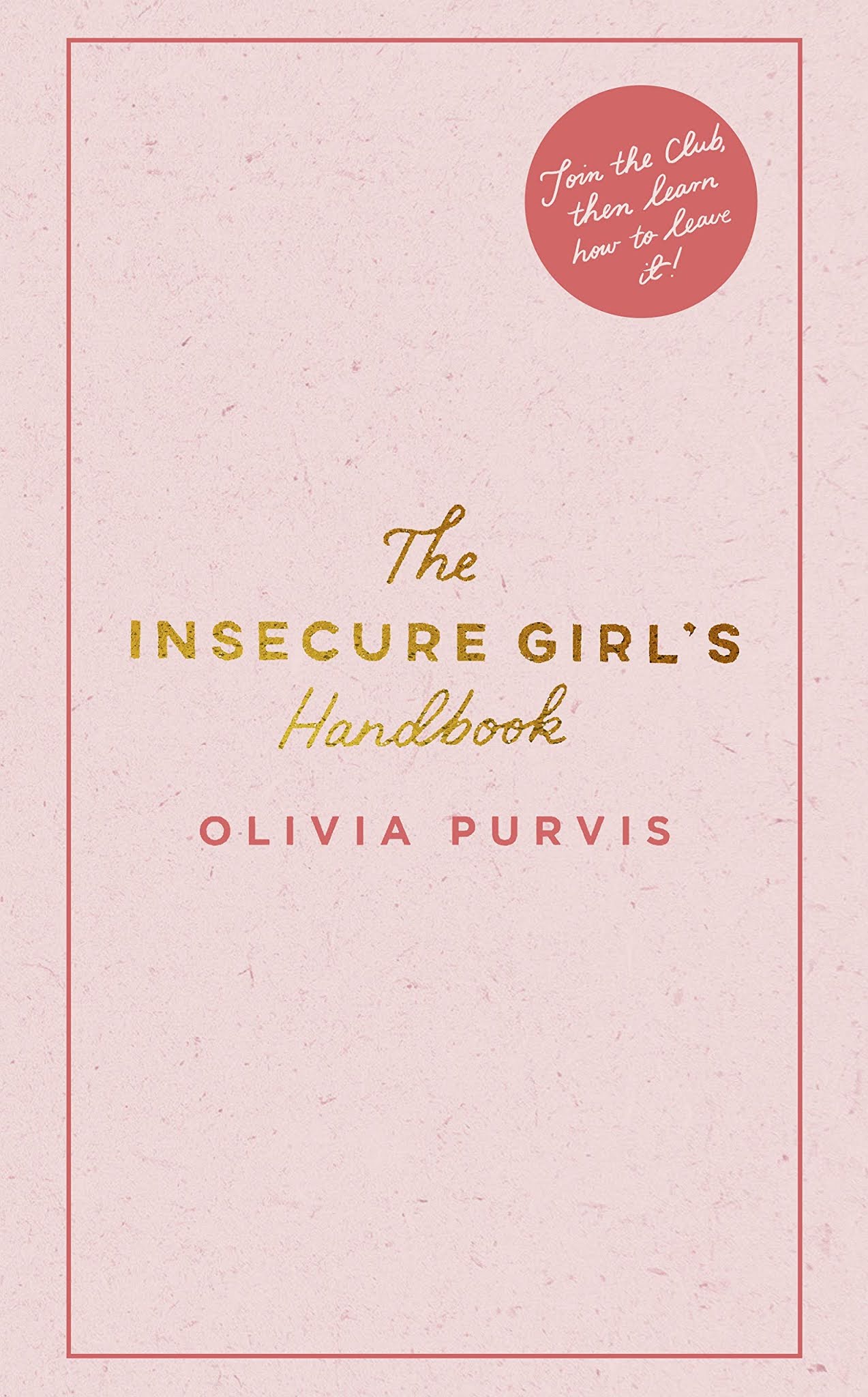
Rebecca’s recommendation: The Insecure Girls Handbook by Liv Purvis


I have followed the Insecure Girls Club on Instagram for a while, and I decided to download the audiobook version of the Insecure Girls Handbook recently and loved it so much. Purvis covers everything from body image, our inner critic, comparison and friendships and shares some great hints and tips for facing some of the issues us insecure gals can often face. What I loved about the Insecure Girls Handbook was the fact not only does Purvis account her own experiences of dealing with insecurities, but she brings in other members of this ‘club’ to do the same… It doesn’t matter who you are, where in your life you are, or what you’ve achieved, we are all going to face these issues at some point in our lives, because we’re all human. I always enjoy books like this because there’s always one piece of advice that resonates and that you can take away and use in your own life… And I took plenty from this book!


Ellen’s recommendation: Hamnet by Maggie O’Farrell


This is the very deserving winner of the Women’s Prize for Fiction 2020! It tells the story of Shakespeare’s son who tragically passed away at a very young age, and who likely inspired the play ‘Hamlet’. I listened to this novel as an audiobook and absolutely adored it; it’s full of so much care and love. The story is split into a before and after. Maggie O’Farrell beautifully builds up the family relationships and the setting in the first half, I particularly enjoyed getting to know Agnes, Hamnet’s mother, and found her to be such a unique and magical character. In the second half we watch the family grieve and come to terms with the death of a young boy, and the impact this has on their relationships and daily lives. I really liked how Shakespeare is never mentioned by name - quite frankly he has had his time to shine and this story isn’t about him, it’s about the family as a whole. I also really enjoyed the focus on the twin relationship and what happens when one of a set of twins passes away. Not a single word in this novel has been wasted, every second felt important and wonderful and I can absolutely understand why it has received such high acclaim in the literary world.


Rebecca’s recommendation: City of Girls by Elizabeth Gilbert 


Before reading City of Girls, I hadn’t been familiar with Elizabeth Gilbert’s work (I am still yet to read/watch Eat Pray Love!). I picked up City of Girls during a lockdown trip to Sainsbury’s, not sure what to expect… I didn’t even read the blurb (I definitely judged the book by it’s cover in this case) but was so pleasantly surprised. City of Girls is written from Vivian Morris’ perspective as an older woman looking back on her time in New York during the 40s, writing to someone whose identity isn’t revealed until the end (it's a bit of a plot twist). It’s a really exciting read and takes place in the ‘Lily Playhouse’, a theatre that's struggling to stay alive owned by Vivian’s aunt. We hear all about Vivian’s experience of living her late teens/early twenties in the city, experiencing freedom, exploring her passion for costume design, falling in love, and making big mistakes. You’re taken on a journey with Vivian, and you come to fall in love (and out of love) with the characters who follow along. Following the twists and turns of Vivian’s life, you feel like you’re living vicariously through her in 1940s NYC. I loved it and I would definitely recommend it! 


16 November 2020

Guest post: Challenges of graduate life and how you can overcome them (Niraj, MORSE (BSc) graduate)


Image source: https://www.instagram.com/analogbynat/


Hi everyone my name is Niraj and I am so excited to be writing for Rebecca’s blog today! To say a bit about myself, I graduated from Warwick University this year, having studied MORSE (Mathematics, Operational Research, Statistics and Economics). I have just started a graduate scheme at an actuarial consultancy. Post-graduate life can be tough, whether you enjoyed your time at university or not. This blog post talks about some of the most challenging things about post-graduate life, and I will also try and give some tips on how you can go about overcoming these challenges.


Maintaining friendships


At university, when you made friends it was often pretty easy to maintain them, as you were fairly nearby to your university friends, and therefore it wasn’t too hard arranging fun things to do with them. However, I found that it was quite hard to maintain all of my university friendships after graduation, and this was for two main reasons. Firstly, a good number of my university friends don’t live near me, so even if there was no pandemic, it would still require effort to arrange a face to face catch up. I live in London, but I have friends that live in places such as Norwich, Birmingham, and Wales. I also have university friends that don’t live in the UK! The second reason is that we are all busy with full-time jobs, as well as other responsibilities. Therefore, any catch-up, whether it is over a video call or face to face would have to be planned around that, and this has proved tricky in a lot of cases. I actually wrote a separate blog post on the challenge of maintaining friendships, which can be found here.


It is hard not to be able to see and interact with your university friends as much as you used to, and it’s perfectly ok to feel sad about this. However, one tip I would give that helped me is to plan and schedule catch-ups in advance, rather than rely on spontaneous plans. As I currently work a full-time job, I tend to use the weekdays to schedule weekend plans with friends. Having advance notice of when I am meeting or even video calling friends allows me to plan things around that. 


Adapting to a different lifestyle


I feel that the lifestyle at university is very specific and unique to university life and that things do change after graduation. For a lot of students that I know, this change has proved tricky. Some have felt a loss of freedom and independence by going back to their family home. Others thrived with having a daily routine at university, and now they are struggling to deal with the lack of routine after graduation. I appreciate that every university student has had their own experience when it has come to leaving the university lifestyle and adapting to a new one. Personally, I have found this to be the hardest part of leaving university, and something that was a shock to the system after 4 years at university.


The best piece of advice I would give here is to use this change as an opportunity to do things you wouldn’t have done at university. I do understand that this is easier said than done, however, it is not impossible. When I finished university, I met up with school friends, started blogging again, and started reading. All of these are fun but things I didn’t really have time to do at university. I also started my new job which I really enjoy. Reframing your mind to think about the opportunities that come with the post-university lifestyle helps you with having a positive mindset, which is great for wellbeing. 


Comparing yourself with others – This is a big one. It’s very easy for me to say how you shouldn’t compare yourself with others. However, with technology and social media being a massive part of our lives, most of us inevitably fall into the comparison trap. Comparison with others is a particularly big issue after graduation. You may be struggling to find a job, and then reading posts on LinkedIn or Facebook about your friends getting their dream jobs can make you feel down. This is because you can end up comparing yourself to your friends that have jobs, and feel behind as a result. You are all amazing people in your own unique way, and sometimes social media and comparison can make it hard to recognise this. Furthermore, comparing yourself to others can be detrimental to your mental health and wellbeing.


In terms of advice, I am not going to say that you shouldn’t compare yourself to others, as this is easier said than done, and even I do it from time to time. However, what I would say is the things that people tell you or share on social media is never the full story. People generally only share the good things that have happened in their lives, but everyone is fighting a battle you don’t know about. Therefore, even the people that seem to have it all figured out will have things that are not so good in their lives.


I hope this blog post helps and that you are all keeping well. Post-graduation can be a tough time, and it is so important to prioritise your mental health and wellbeing. Remember that there is support out there, and I am always happy to talk to you on nirajshah2003@gmail if you feel that you are struggling.  


Read more of Niraj's posts: https://niraj.home.blog/